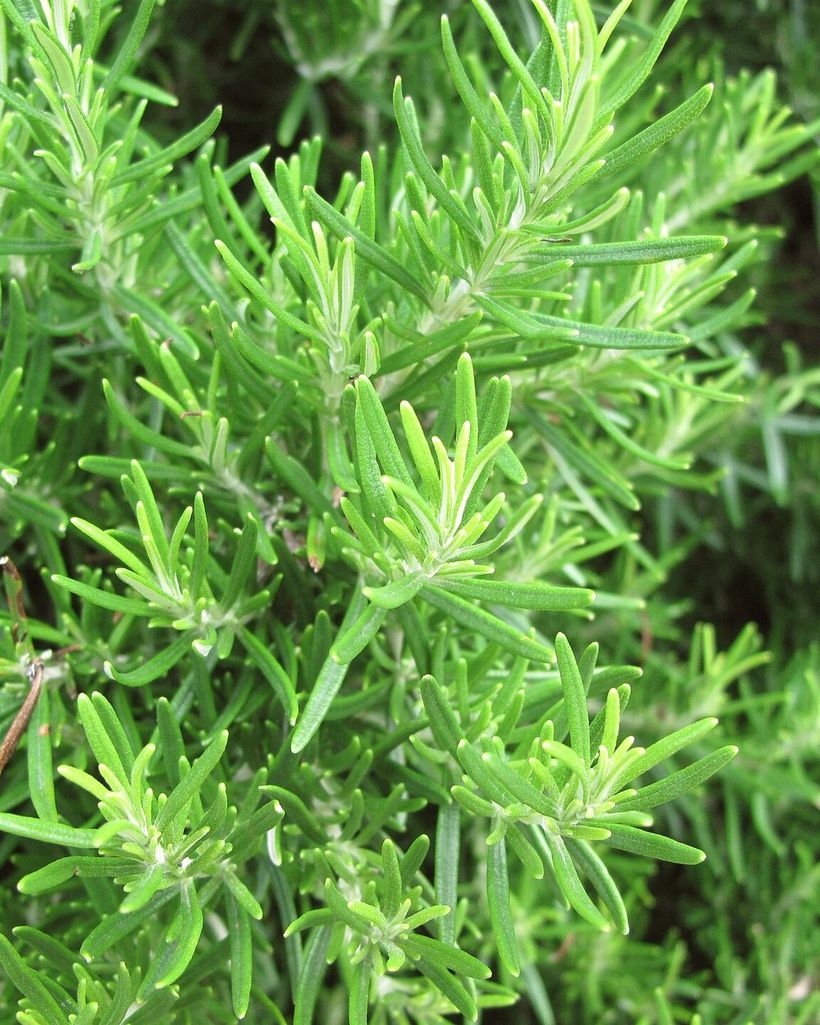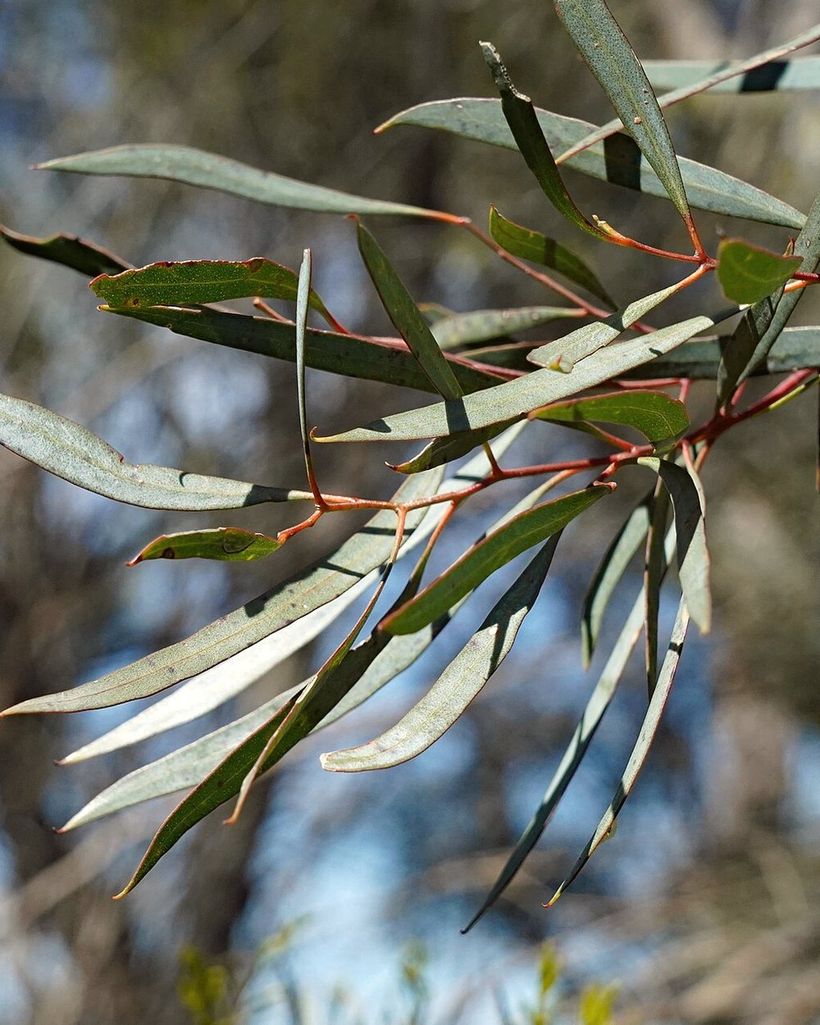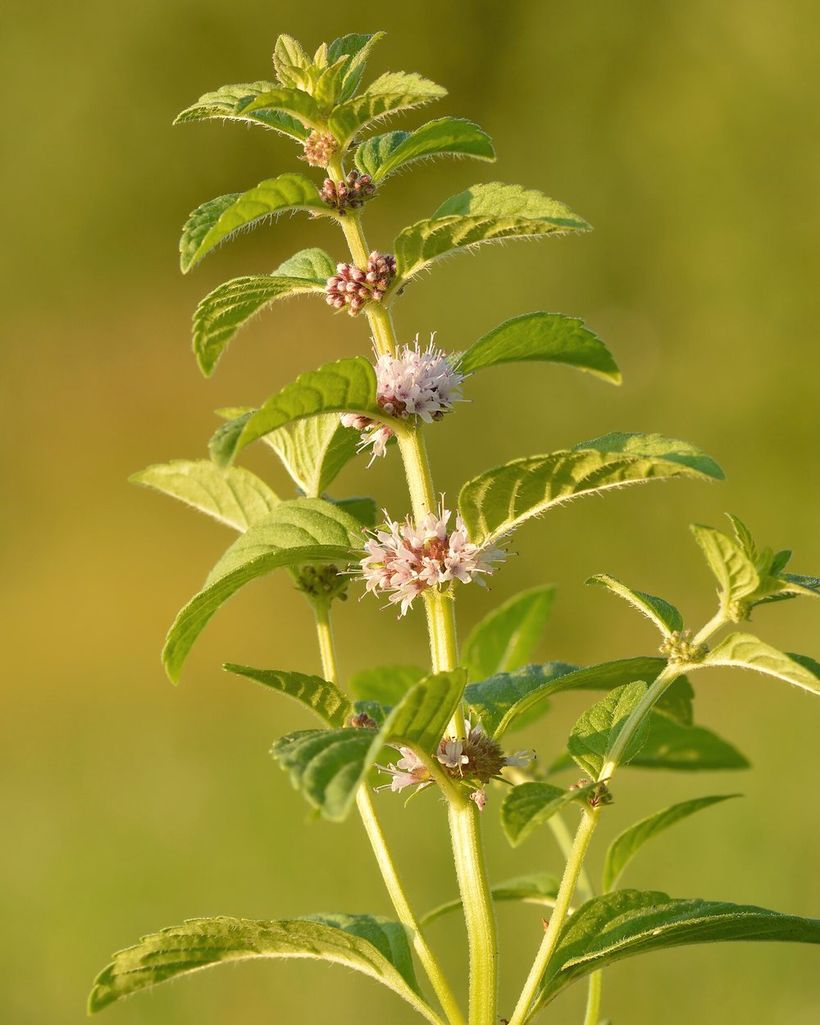
The brightest, freshest of the conifers — there is something citrus in it. If pine aromas have felt too heavy so far, this is the one to try.
Where it comes from
Plant part used: needle and twig. Extraction method: steam distillation. Typical origin: New Zealand.
Steam distillation means that hot steam passing through the plant carries the volatile compounds with it. The steam is cooled, and the water and the oil separate on their own — the oil floats on top.
What it smells like
Aroma notes: fresh, sweetish conifer with a citrus edge.
If you are meeting it for the first time, do not sniff straight into the bottle. Hold it a few centimetres from your nose and waft the aroma towards you — that way the stronger oils will not hit you, and you will pick up the finer notes too.
How people use it
- In the diffuser while working.
- Diluted on the chest in the morning.
- A few drops in the corner of the shower.
- One drop in the palm, then a deep breath.
Recipes
The ratios are worked out, and one drop is roughly five hundredths of a millilitre. Where a companion oil is listed, feel free to swap it for whatever you have at home — the drop counts stay the same.
Steam bowl
What you get: one session.
- Pour a litre of hot — not boiling — water into a bowl.
- Add 2 drops of Douglas Fir, and no more than that.
- Lean over the bowl so your face is about thirty centimetres above it.
- Drape a towel over your head and breathe for five minutes with your eyes closed.
Keep your eyes closed throughout. Steam inhalation is not always a good idea for people with asthma — ask your doctor first.
Chest balm
What you get: 30 ml, enough for a whole season.
- Melt 25 g of shea butter and 5 g of beeswax over a water bath.
- Take it off the heat and let it cool to lukewarm.
- Stir in 12 drops of Douglas Fir and 6 drops of Cypress — that is about two per cent.
- Pour into a jar and let it set. Apply to the chest and back in the evening.
It works without beeswax too, it will just be softer: in that case use forty grams of coconut oil as the base.
Study diffusing
What you get: one study block.
- Fill the diffuser with water up to the line.
- Add 4 drops of Douglas Fir and 2 drops of Cypress.
- Switch it on and study for twenty-five minutes.
- Air the room for five minutes, and only then start the next round.
The break is not an optional extra: after ten to fifteen minutes your nose adjusts to an aroma and you stop registering it.
What to pair it with
These suit the same situations, so they sit well together in a blend:
- Cypress — shared topic: Easy breathing
- Lemon Eucalyptus — shared topic: Easy breathing
- Black Spruce — shared topic: Easy breathing
Safety and storage
Always patch test a new oil on a small area of skin, diluted, and wait a day. Keep it away from eyes and mucous membranes. In pregnancy, while breastfeeding, with a chronic condition or while taking regular medication, seek professional advice first.
In dark glass, somewhere cool, tightly closed. Heat, light and air all age it: citrus oils keep for roughly one to two years, woods and resins for years. It does not need to go in the fridge, but the bathroom windowsill is the worst place for it.
Questions
How much should I use?
For adults, daily whole-body use usually works out at around two per cent: that is roughly twelve drops in thirty millilitres of carrier oil. For sensitive skin and for children, considerably less. The dilution helper on the home page works out the number of drops for your bottle.
What should I dilute it with?
Fractionated coconut oil is the easiest, because it stays liquid, has no scent of its own and does not go rancid. Sweet almond, jojoba and grapeseed oil are good choices too. Essential oil does not mix with water, so for a bath always disperse it in something fatty or in salt first.
What should I watch out for?
Always patch test a new oil on a small area of skin, diluted, and wait a day. Keep it away from eyes and mucous membranes. In pregnancy, while breastfeeding, with a chronic condition or while taking regular medication, seek professional advice first.
How long does it keep?
In dark glass, somewhere cool, tightly closed. Heat, light and air all age it: citrus oils keep for roughly one to two years, woods and resins for years. It does not need to go in the fridge, but the bathroom windowsill is the worst place for it.